

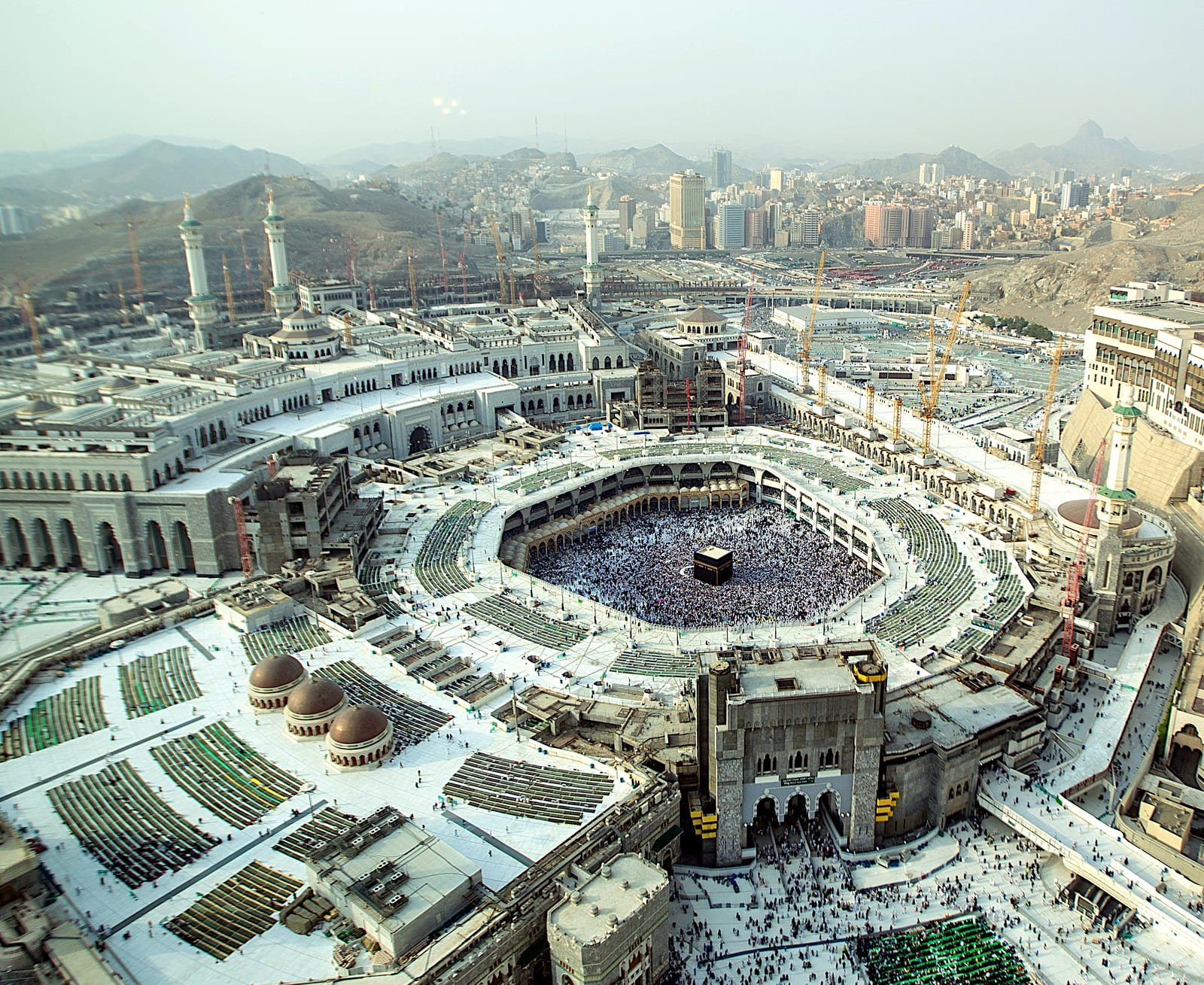
From visa documents to what to pack — a step-by-step walkthrough for first-time and returning pilgrims.
Planning an Umrah trip well in advance makes the entire journey calmer, especially for first-time travelers. The process generally breaks down into four stages: documentation, package selection, physical and spiritual preparation, and the trip itself.
Start with your passport and visa. Your passport should have at least six months of validity remaining from your travel date. Umrah visas are typically processed through a licensed agent rather than applied for individually, so most of this paperwork is handled on your behalf once you confirm a package.
When choosing a package, think about proximity to the Haram versus budget. Hotels within a few hundred meters of Masjid al-Haram in Makkah cost more but save significant walking, which matters if you're traveling with elderly family members or young children. The same logic applies in Madinah, though distances there are generally shorter.
Pack light, comfortable clothing appropriate for Ihram, comfortable walking sandals, and a small crossbody bag for your phone and documents during tawaf. A portable phone charger is genuinely useful — you'll want your phone for both prayer times and photos.
Finally, give yourself time to mentally prepare. Reading about the rituals beforehand, rather than learning them on the spot, lets you focus on the spiritual experience rather than logistics once you arrive.